Nickel Alloy Scrap Suppliers for Chemical & Aerospace Industries
In today's global industrial landscape, reliable access to high-quality metals and alloys is critical for performance, safety, and sustainability. Among these, nickel alloys play a pivotal role in sectors such as chemical processing, petrochemical plants, and aerospace engineering due to their corrosion resistance, heat tolerance, and mechanical strength. As industries evolve, the demand for reputable nickel alloy scrap suppliers continues to attract businesses looking for cost-conscious material sourcing.
At Tirupathi Metal Alloys, we know that material requirements vary across industries. Before buying, always verify the composition, documentation, traceability and suitability of the material for its intended application.
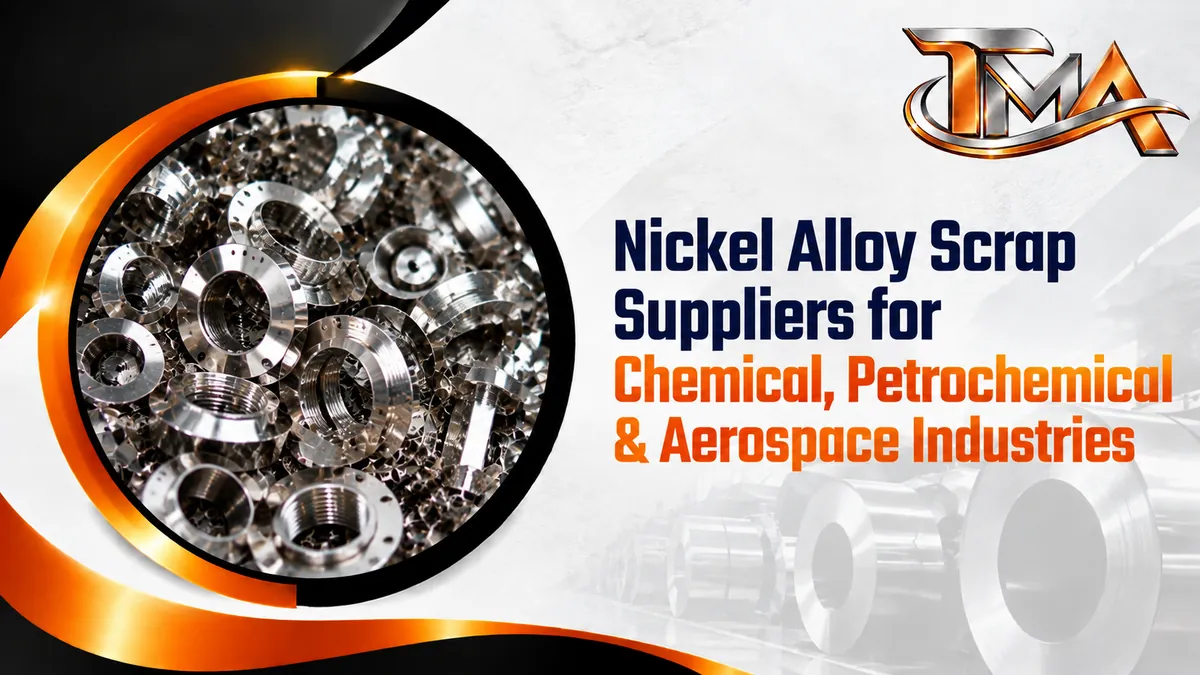
Why Nickel Alloy Scrap Matters in Modern Industries
Nickel alloys are metal systems composed primarily of nickel combined with elements such as chromium, iron, molybdenum and cobalt. Depending on their grade, these materials can provide resistance to oxidation, corrosion and mechanical wear. Chemical, petrochemical and aerospace applications may require specific alloy characteristics for demanding operating conditions.
Newly produced alloy materials can be expensive. Properly identified and processed nickel alloy scrap can be a resource for recycling and material recovery, subject to its composition, condition and the requirements of the intended application.
Cost considerations and material quality both matter. Buyers should confirm the grade and suitability of recycled material rather than assuming that all scrap is interchangeable with new material.
The Role of Certified Nickel Alloy Scrap Suppliers
A reliable nickel alloy scrap supplier should provide clear information about material grade, composition, source and available documentation. For demanding applications, buyers should verify the quality requirements and any applicable certification or testing requirements before purchase.
Useful quality checks include:
- Material Composition Verification: Check chemical analysis against the required specification.
- Source Transparency: Request available information about the material's origin.
- Relevant Certifications: Confirm which certifications apply to the supplier and the specific material being offered.
- Traceability Records: Review available reports and documents relevant to the transaction and intended application.
Nickel Alloy Scrap: A Potential Fit for Petrochemical Plants
Petrochemical facilities operate under demanding conditions, which may include high temperatures, corrosive chemicals and continuous operational stress. Equipment such as heat exchangers, distillation columns and process systems may require carefully selected nickel alloys.
For maintenance, recycling or material recovery requirements, nickel alloy scrap can be valuable when its grade and composition are established. Its suitability for reuse in a particular component must be assessed against the relevant engineering and safety requirements.
Important procurement considerations include:
- Material Costs: Compare the total cost of sourcing and processing material.
- Lead Times: Confirm stock availability and expected delivery schedules.
- Sustainability: Recycling can support material recovery and reduce waste.
Buyers should verify material specifications and documentation before using any recovered alloy in an industrial application.
Supporting the Oil & Gas Sector with Nickel Scrap
The oil and gas industry faces challenging operating conditions, including pressure, corrosive environments and demanding performance requirements. Offshore facilities, pipelines and refining equipment may use specialized alloys selected for their service conditions.
Recycled nickel alloy materials can contribute to metal recovery and sourcing strategies. Their use depends on the intended application, verified composition and applicable engineering standards.
When evaluating suppliers, oil and gas buyers should consider:
- Cost Evaluation: Assess the total procurement and processing cost.
- Material Verification: Confirm the grade and required material properties.
- Delivery Planning: Check stock availability and delivery commitments.
High Nickel Alloy Scrap Buyers — What They Need to Know
For high nickel alloy scrap buyers, several factors can influence procurement decisions.
1. Material Specification
Buyers should identify the required alloy grade, such as Inconel, Hastelloy or Monel, and confirm the material composition. Different applications may require different alloy characteristics.
2. Certification and Testing Requirements
Depending on the transaction, buyers may request:
- Material test reports, where available
- Relevant chemical composition analysis
- Third-party inspection or testing, where required
Check the documentation against the material actually delivered. Requirements differ by grade, industry and application.
3. Supplier Reliability
When comparing suppliers, assess:
- Consistency of material descriptions and quality
- Transparent quotations and transaction terms
- Realistic delivery commitments
- Availability of relevant documentation and support
Clear communication and appropriate quality checks help buyers make informed sourcing decisions.
Chemical Industry: Nickel Alloy Scrap
Chemical processing can involve aggressive acids, chlorides and other substances that affect metal performance. Equipment such as reactors, piping systems and storage tanks must use materials selected for their specific operating environments.
Businesses sourcing nickel alloy scrap for recycling or recovery should evaluate the material's grade, condition, composition and documentation.
- Material Suitability: Confirm the composition and intended use.
- Cost Considerations: Compare material price with inspection, sorting and processing costs.
- Quality Checks: Verify available test results and relevant specifications.
Nickel Alloys in Aerospace Applications
Aerospace applications can require materials that retain suitable properties under elevated temperatures and demanding mechanical conditions. Certain nickel-based superalloys are used in specialized components, depending on the design requirements.
Aerospace material requirements are particularly stringent. Scrap material should not be assumed suitable for critical aerospace components without the necessary qualification, testing, traceability and approval procedures.
- Verify the exact alloy grade and material history.
- Review applicable specifications and documentation.
- Confirm acceptance criteria with the end user or manufacturer.
Tirupathi Metal Alloys: Making Informed Sourcing Decisions
Choosing a suitable nickel alloy scrap supplier starts with clear specifications, transparent communication and a proper understanding of the material required.
Before requesting a quotation, prepare the following details:
- Required alloy grade or material specification
- Estimated quantity and material form
- Destination and delivery requirements
- Inspection and documentation requirements
These details help suppliers understand the enquiry and determine whether the available material meets the stated requirements.
Conclusion
Nickel alloy scrap plays a role in metal recycling and material recovery across a range of industrial sectors. Chemical processing, petrochemical operations, oil and gas, and aerospace each have specific material requirements.
Buyers can make better sourcing decisions by checking alloy grades, verifying composition, reviewing available documentation and comparing supplier quotations.
Contact Tirupathi Metal Alloys to discuss your material requirements and request further information.
Contact Us